Study Day "When Code Meets the Interface: Hybridizing Graphic Design Tools"
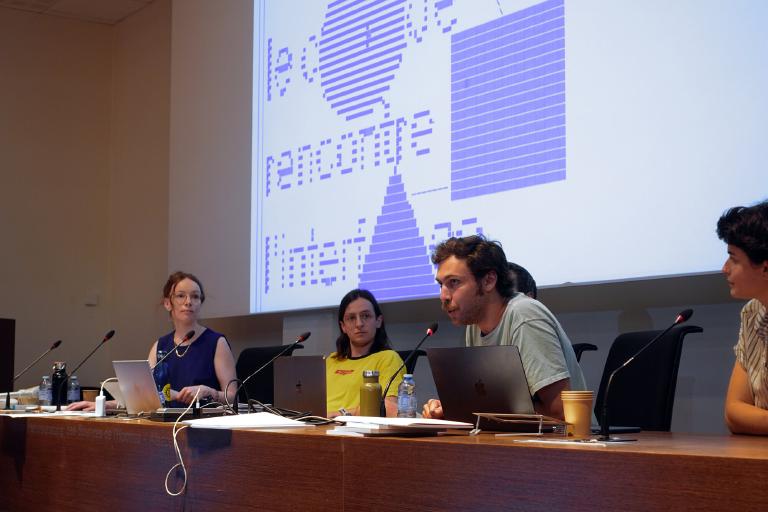
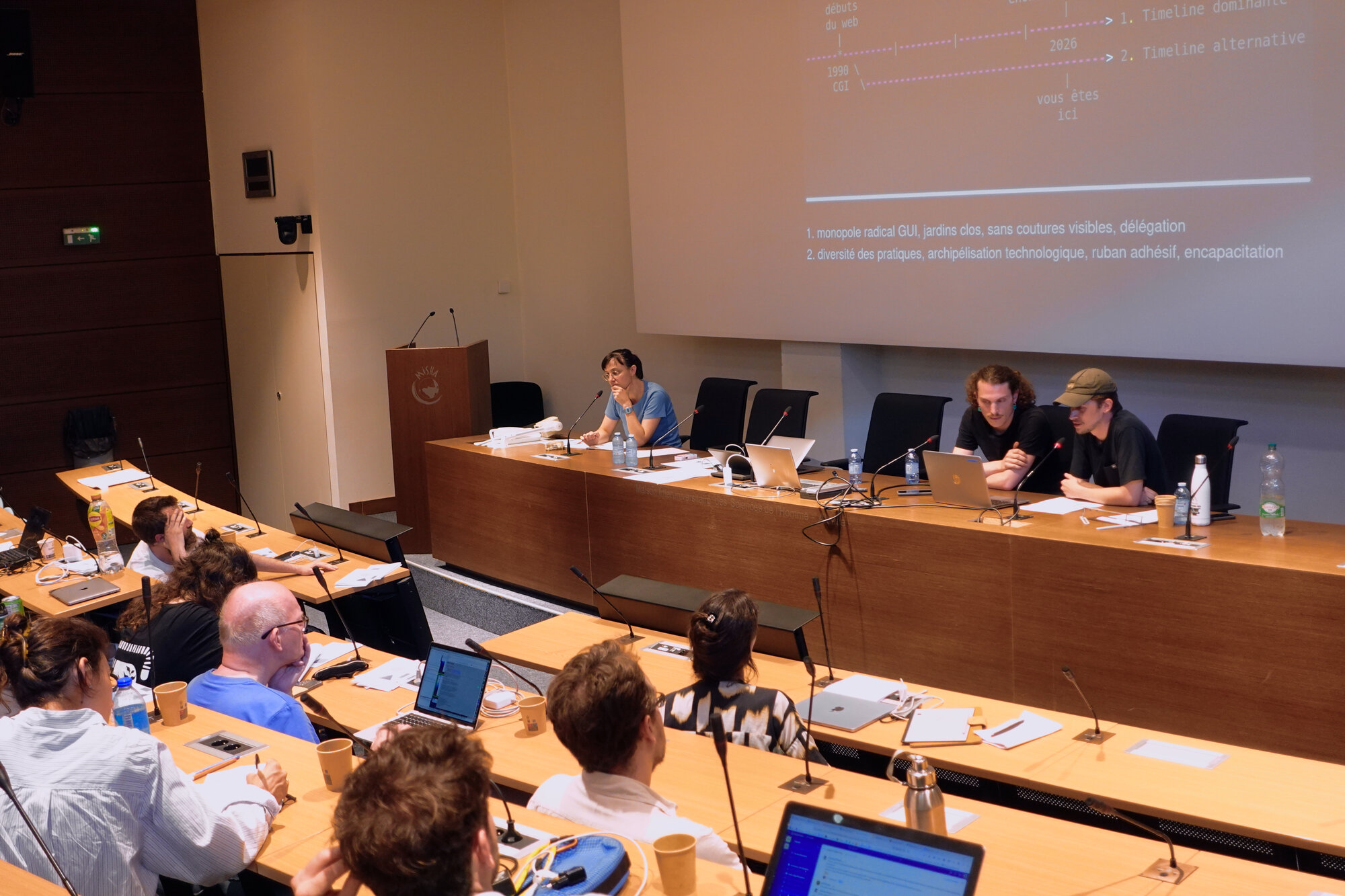
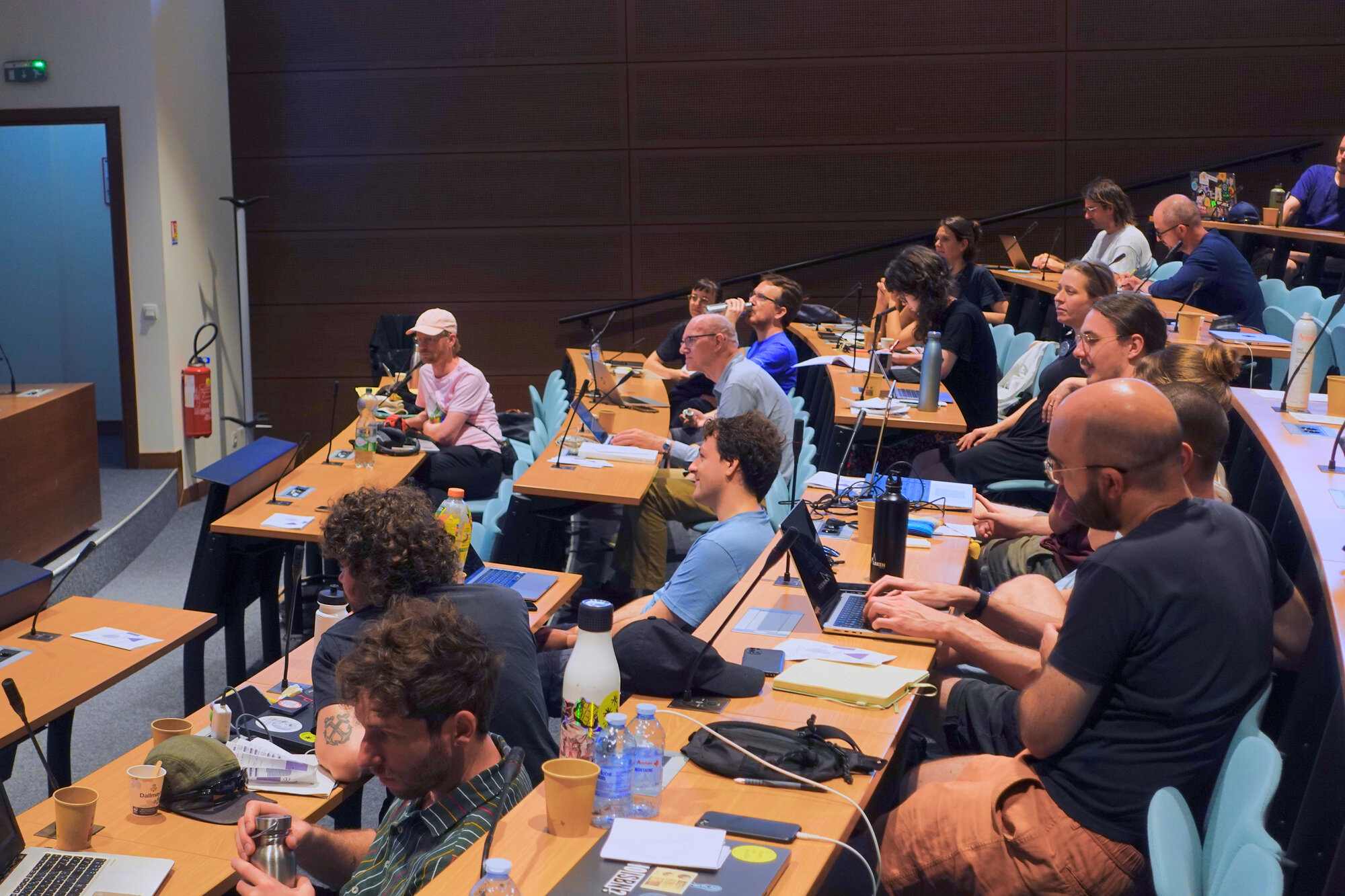
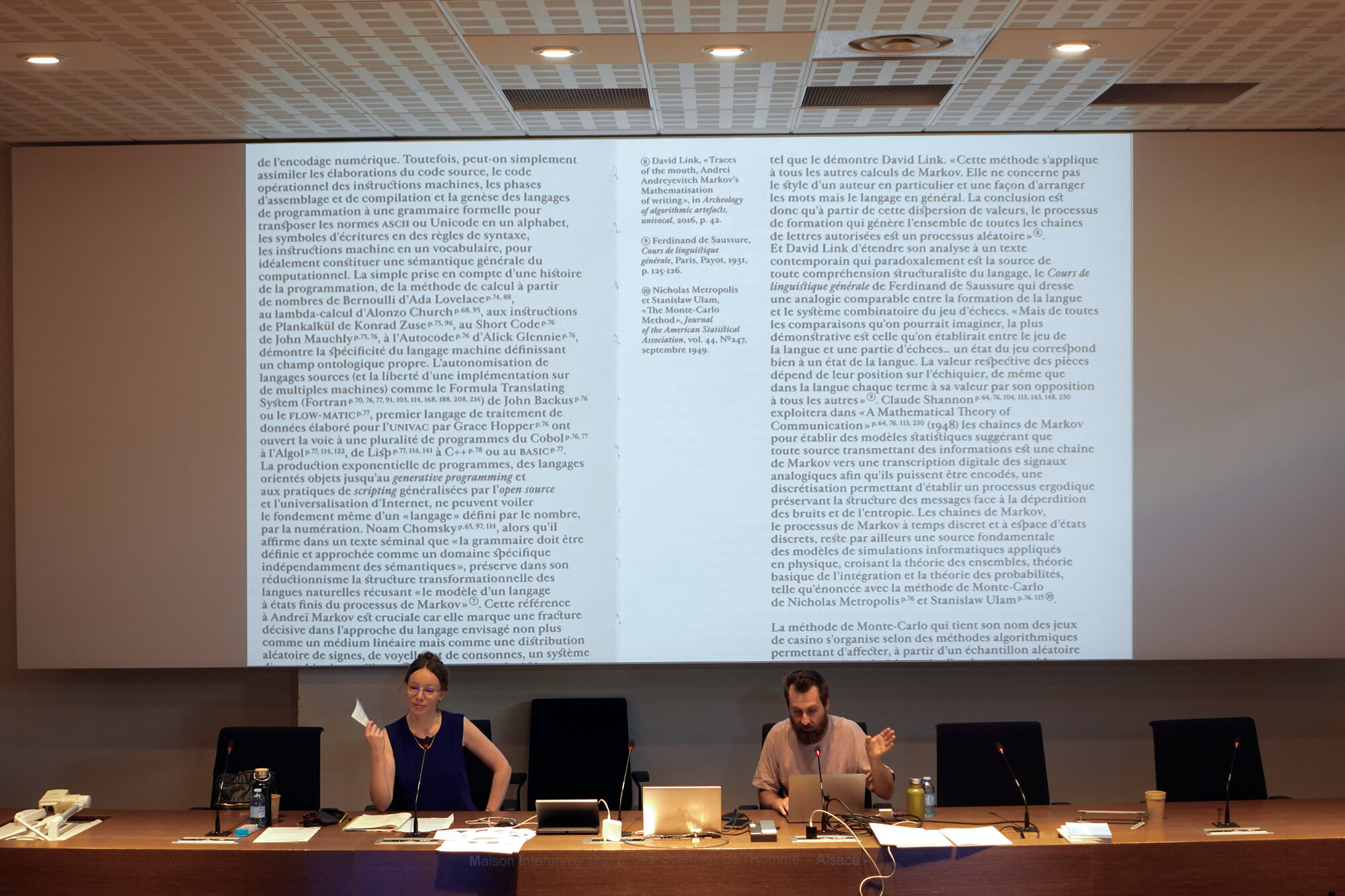
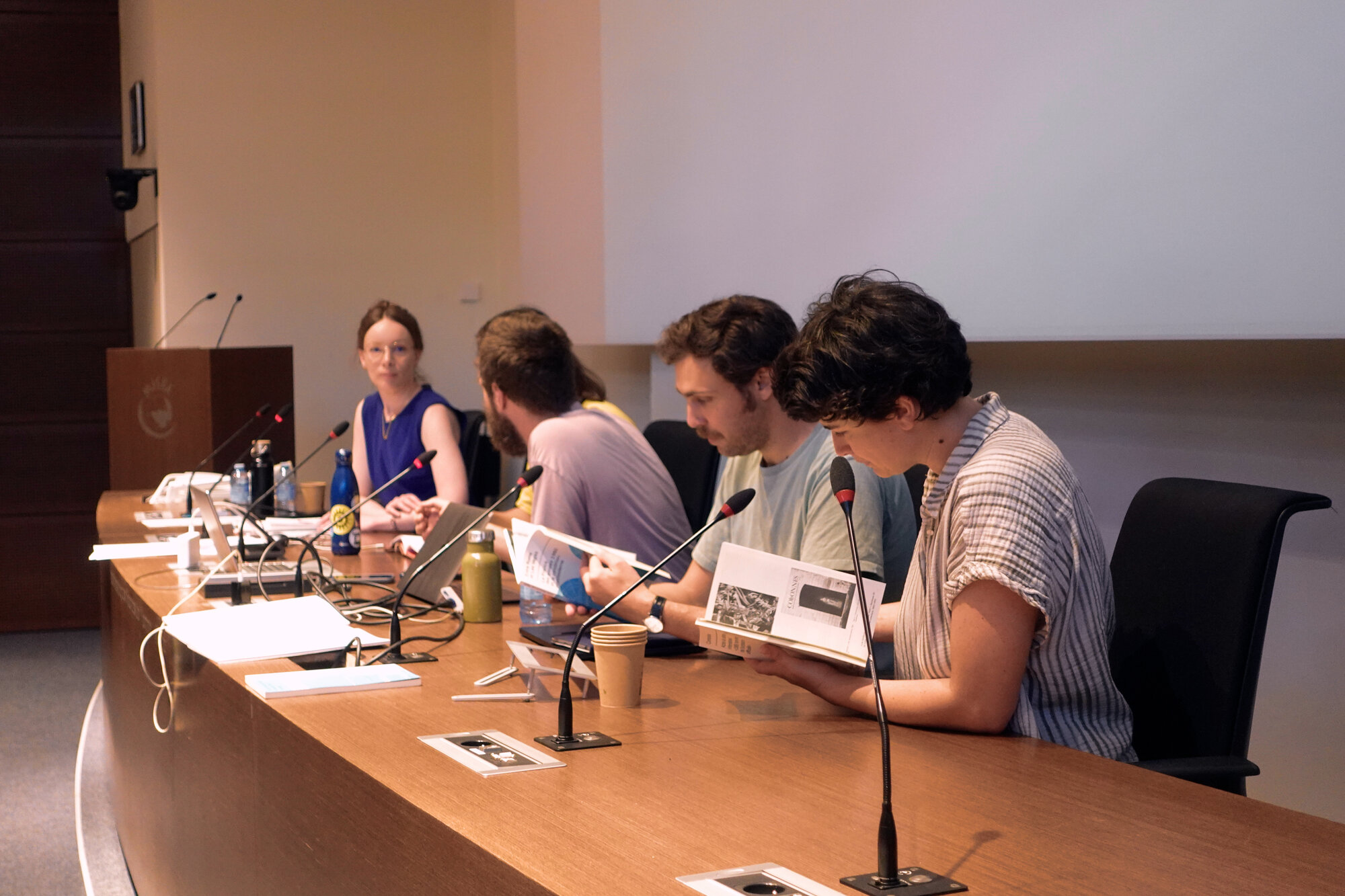
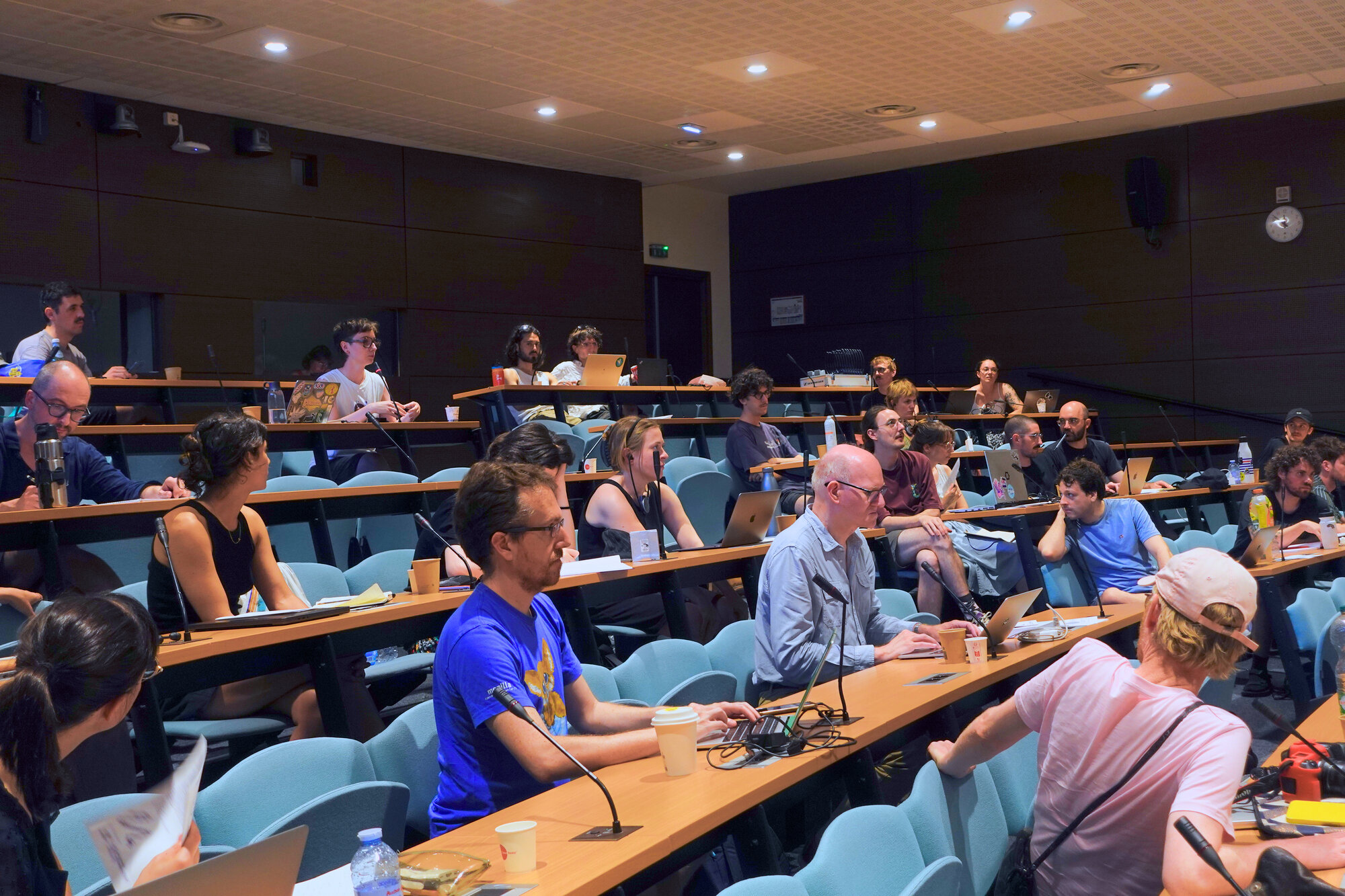
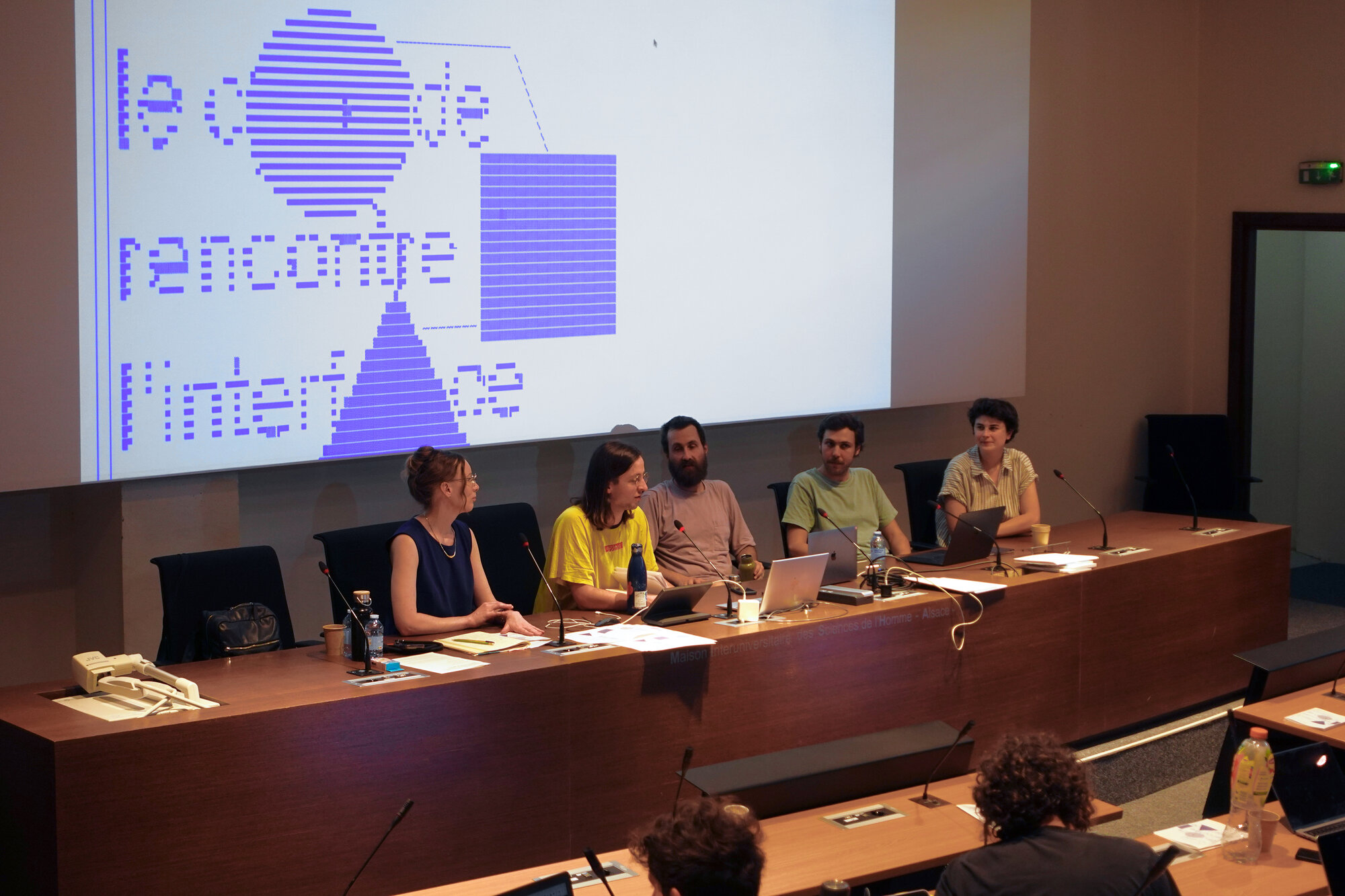
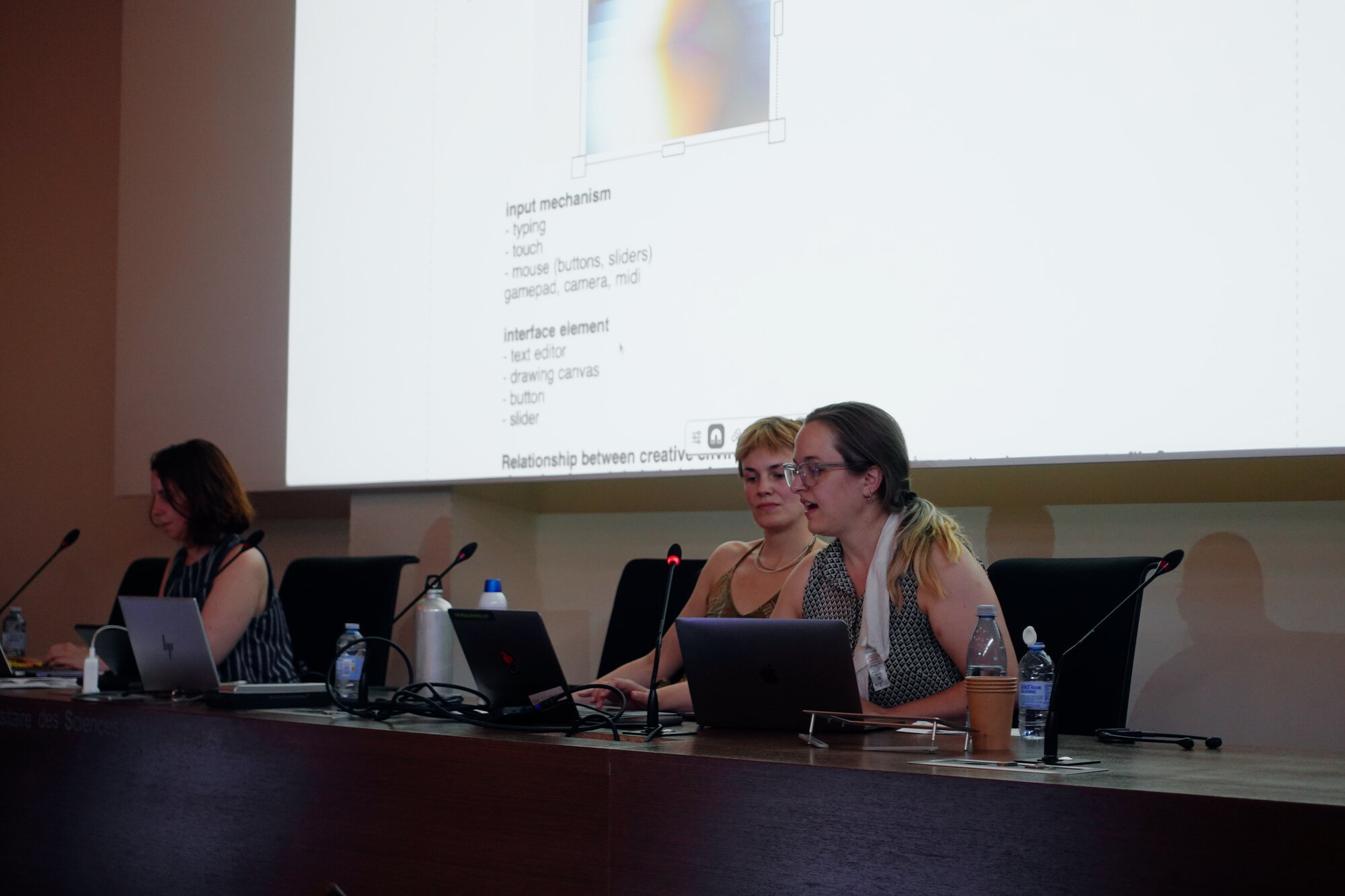
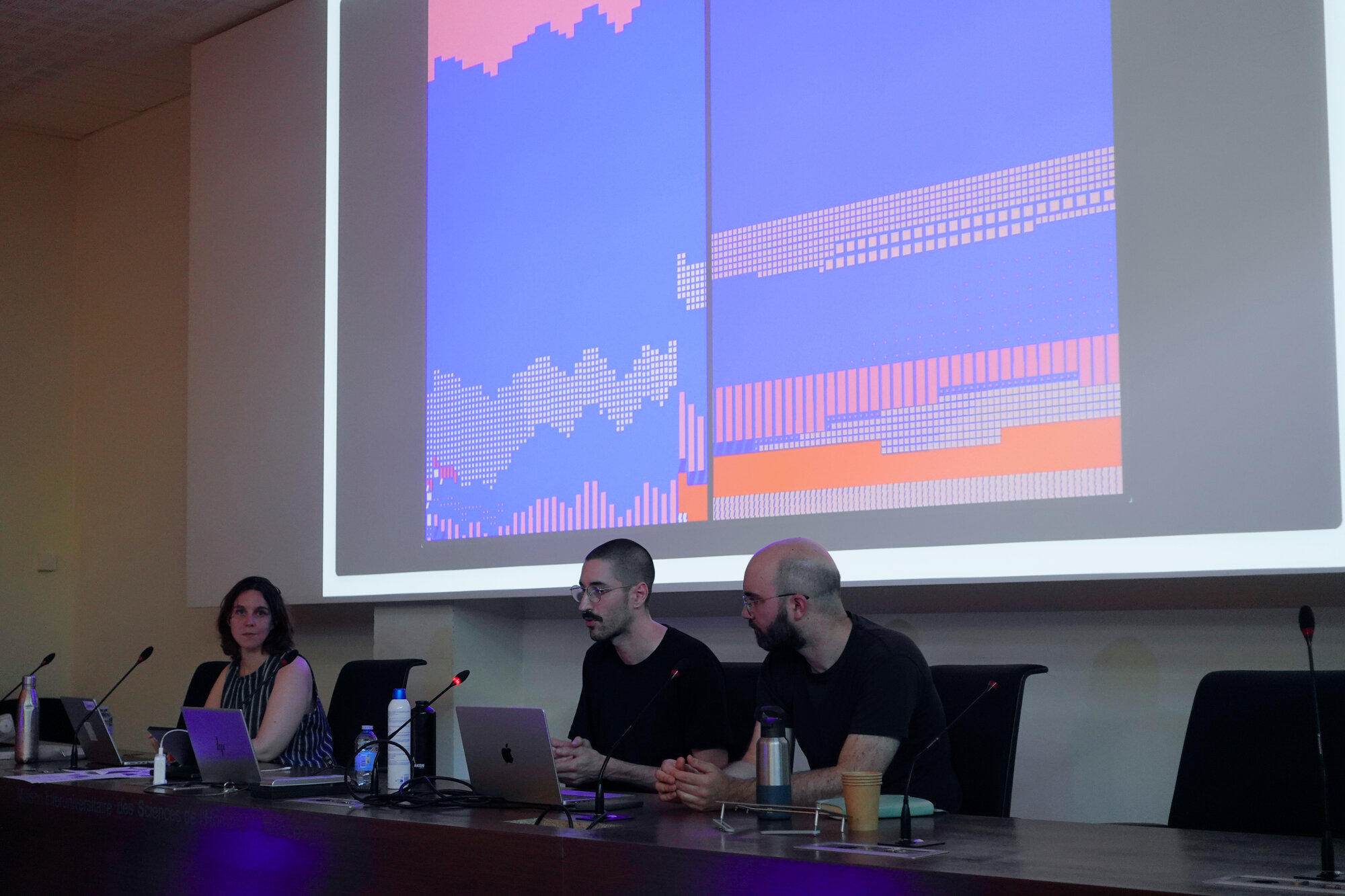
The study days “When Code Meets the Interface: Hybridizing Graphic Design Tools” took place on 25 and 26 June 2026 in Strasbourg (MISHA Amphitheatre). Organized by Julie Blanc, Nolwenn Maudet and Clémence Imbert, they are part of the WYSIWYG research project led by HEAD Genève, in collaboration with the “Graphic and Digital Environments” program of the ACCRA research lab at the University of Strasbourg.
The WYSIWYG paradigm (What You See Is What You Get) is well known to graphic designers. It sped up the adoption of computers in the profession and defined it for the last 40 years. This paradigm also became the de facto standard in mainstream layout tools and text editors (Word, Canva). In parallel, another paradigm has existed since the beginning of computers, that of structured documents, which is based on programming. However, this inherently textual practice has traditionally been far removed from graphic designers’ know-how. It is nevertheless still largely in use today, in academic publishing (LaTeX), but also as the technical basis of the Web (HTML & CSS).
In recent years, more and more graphic designers have started adopting programming (creative coding, webdesign). This new tooling has allowed them to design outside of traditional desktop publishing software. Even more recently, from this community, new tools are being created in which both code and WYSIWYG interaction now coexist. Drawing from both paradigms, these new graphic design practices are not just juxtaposing code and graphical user interface, structured document and WYSIWYG: instead they question their limits and relevance. This symposium will explore these new hybrid ways of doing graphic design. How and where do they flourish? What do they draw from each paradigm? What do they leave out or invent anew? These topical practices also invite us to reexamine the history of these paradigms, generally studied separately, to understand how they might have learned from each other or if, instead, they might have developed in opposition.
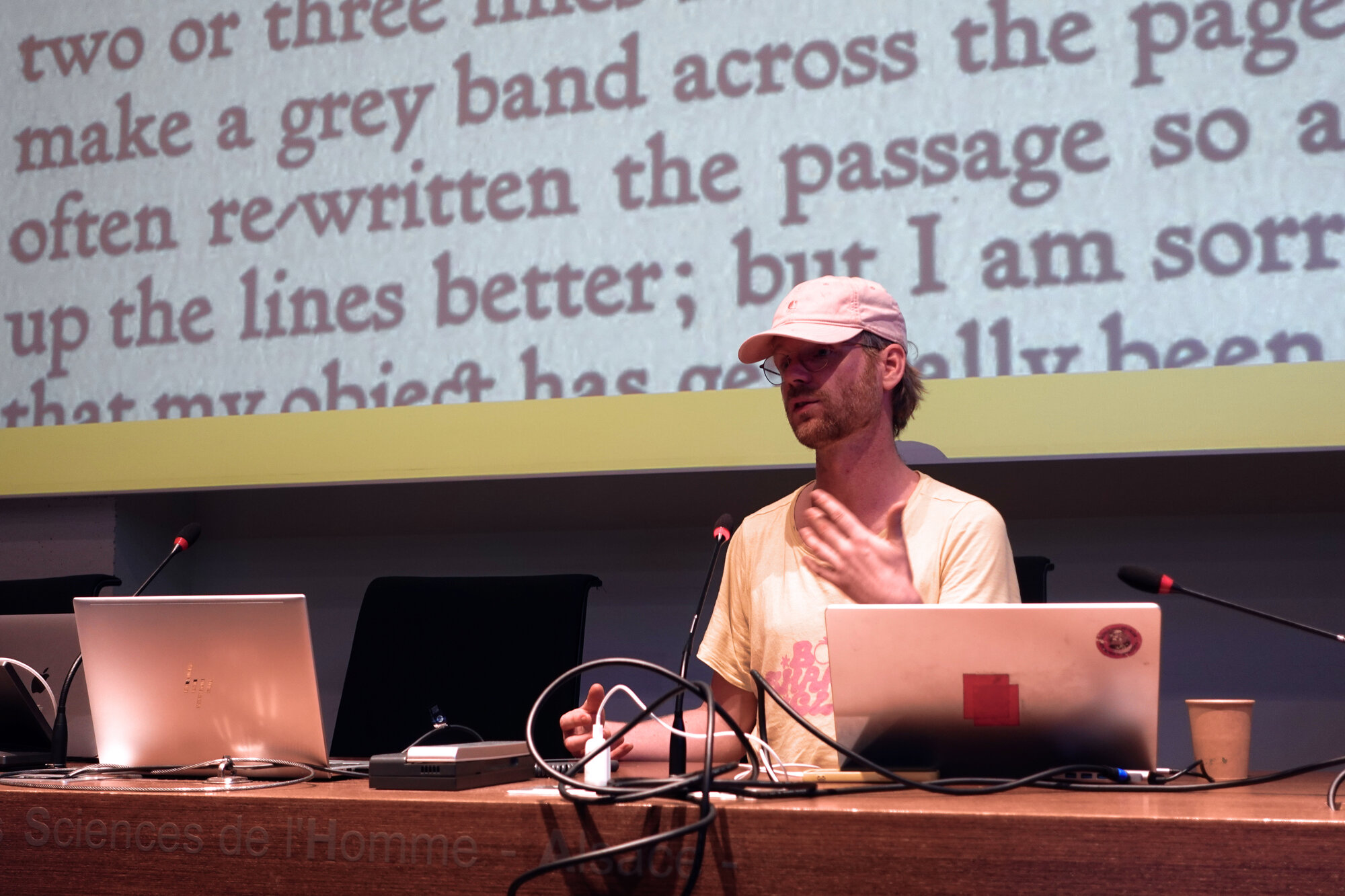
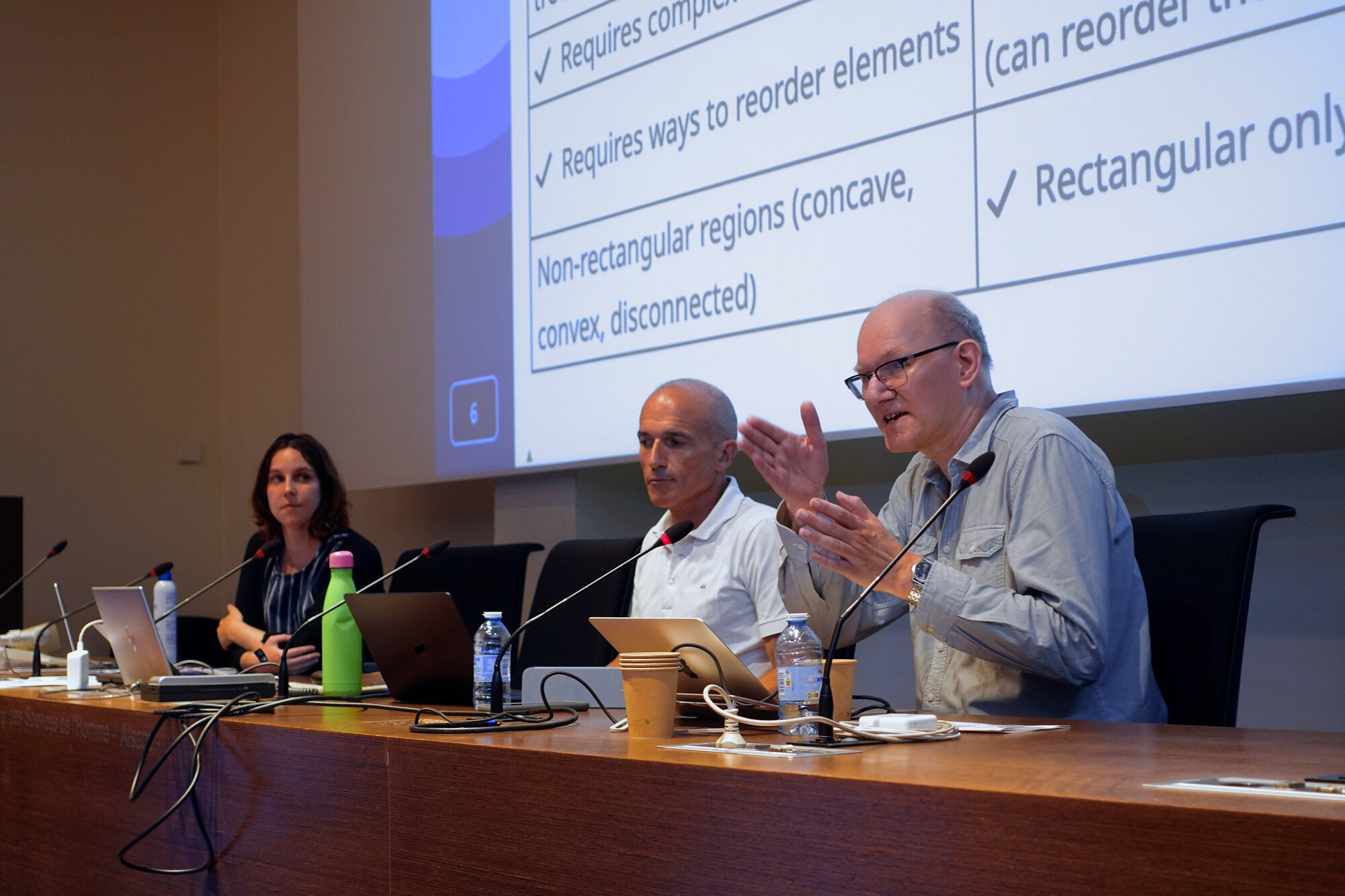
Open to the public and livestreamed, these study days brought together design historians, computer science researchers, graphic designers and developers. The proceedings are due to be published in 2027.
Jeudi 25 juin
14h-14h30 Introduction par Julie Blanc et Nolwenn Maudet
Panel 1. Antagonisme ou synergie : retours critiques sur l’histoire du WYSIWYG et du code (modération : Nolwenn Maudet)
- 14h30-15h Clémence Imbert, Apprendre à cliquer. Était-il si facile de débuter sur un logiciel de PAO dans les années 1980 ?
- 15h-15h30 Eric Schrijver, No longer afraid: the surprising love story of WYSIWYG and code
- 16h-16h30 Timothée Goguely & Arthur Pons, GUI | CGI | CLI : Interfacer le web et la ligne de commande
- 16h30-17h Camille Gobert, « Code » ou « Interface » : une histoire de formats
18h Clôture de la journée
Vendredi 26 juin
9h Ouverture et accueil
Panel 2. Hors des logiciels, hybrider les chaînes de publication (modération : Lucile Haute)
- 9h30-10h Yann Trividic, OutDesign, ou comment libérer les fichiers InDesign du giron d’Adobe
- 10h-10h30 Adrien Payet & Sarah Garcin, Autonomiser la création graphique avec des outils web
- 11h-11h30 Kévin Donnot, Du Web-to-print aux approches hybrides — exemples de publications et de leurs chaînes d’outils
Panel 3. Fabriquer les interfaces. Web et outils-sur-mesure (modération : Julie Blanc)
- 14h-14h30 Olivia Jack & Paula Haertel, Wobble Web
- 14h30-15h Arnaud Juracek & Stéphane Buellet, Concevoir des générateurs graphiques
Keynote
- 16h-17h30 Bert Bos & César Fernández Acebal, When Layout Meets the Web: The Long Road to CSS Grid
18h Clôture de la journée
Texte également disponible en français: https://wysiwyg.ch/fr/journal/2026-06-24-journ%C3%A9e-d%C3%A9tude--quand-le-code-rencontre-linterface-hybrider-les-outils-du-design-graphique-/